Chimney work in Denver's historic districts: what to plan for
In Denver, exterior projects that need a building or zoning permit at a landmark or in a historic district go through Landmark Preservation design review. In Boulder, every exterior change to a landmark or district property needs a Landmark Alteration Certificate. Plan for review first.
Denver Fireplace & Chimney · October 16, 2026
Why Denver has so many old brick chimneys
Denver's brick goes back to its early fires. Denver7 recounts how the April 19, 1863 fire, which started at the Cherokee House saloon at 15th and Blake and destroyed more than 70 buildings, led the city to pass a brick ordinance requiring brick or stone construction.
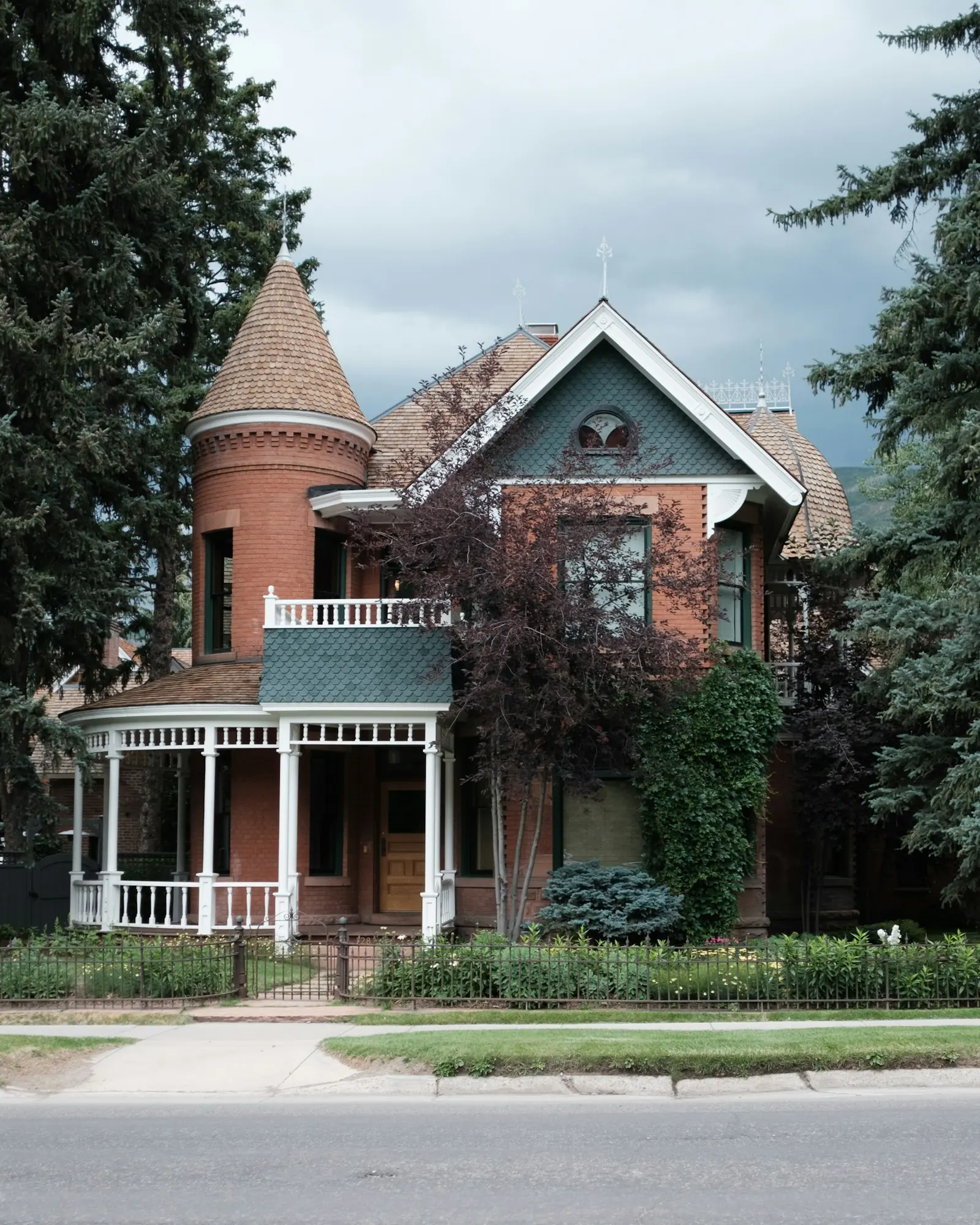
The houses that followed are still standing. Census ACS data shows about 16.9 percent of Denver's homes, roughly 61,000, were built in 1939 or earlier, against 7.0 percent statewide. DenverUrbanism describes the Denver Square going up after the 1893 Silver Crash alongside the smaller red-brick Classic Cottage, in neighborhoods like Highland, Capitol Hill, Cheesman Park, Congress Park, Park Hill and Washington Park. Some of those homes are individual landmarks or sit in historic districts, and their chimneys are 100 years old or more.
Denver: Landmark Preservation design review
The City of Denver says its Landmark Preservation staff, the Landmark Preservation Commission and the Lower Downtown Design Review Commission review the design of all exterior projects that need building or zoning permits at individual landmark properties and properties in historic districts. The city's review categories include roofs and electrical and mechanical permits. Chimneys are not named as their own category.
In practice the question is whether your chimney work needs a permit. Rebuilding a stack above the roofline, removing a chimney, or adding an insert that needs a mechanical permit are the kinds of jobs to check first. Routine maintenance may not trigger review. Because the rules turn on the permit, we check with the city before quoting work on a landmark or district home, and we build the review time into the schedule.
Boulder: a certificate for every exterior change
Boulder is stricter. The City of Boulder says all exterior changes to a property that is an individual landmark or sits in a historic district need review and approval through a Landmark Alteration Certificate. There is no permit threshold, so a new cap, a crown, repointing or a rebuild can all need the certificate.
There is an upside. The city notes that Colorado offers a state tax credit of 20 percent of rehabilitation costs, up to $100,000 per property over 10 years, for local landmarks and contributing buildings, and that Boulder waives city sales tax on materials when at least 30 percent of the work is exterior. Ask the city whether your chimney project qualifies before the work starts, not after.
What good historic chimney work looks like
Review staff care about what the chimney looks like from the street. Good work on an old chimney usually means the same things a careful mason would do anyway:
- Matching the brick in size, color and texture, often with salvaged brick when the stack is rebuilt.
- Matching the mortar in color, joint profile and hardness. Old brick is soft, and mortar much harder than the brick can push the damage into the brick faces.
- Keeping the chimney's original height and any decorative corbelling at the top.
- Choosing caps and crowns that are low and plain, so they don't change the silhouette.
- Running liners inside the existing flue, so the outside doesn't change at all.
What it costs
Historic work isn't a separate price list, but matching materials and review time can push a job toward the higher end of a range. Typical ranges: repointing $500–$2,500, replacing spalled brick $1,000–$3,500, rebuilding the top few courses $1,000–$3,500, and a full rebuild above the roofline $5,000–$15,000 or more. A stainless liner inside an old flue typically runs $1,500–$5,000, and a cast-in-place liner $2,000–$7,000.
Old Denver chimneys also live through about 135 freeze-thaw days a year, according to NOAA normals for Denver-Stapleton, and the crowns and top courses take most of that. That is why so much historic chimney work starts at the top.
Start with photos
Whether or not your work needs review, it starts with knowing what's there. Our inspection is free. We photograph the chimney top to bottom, note what can be repaired and what needs rebuilding, and give a written price. Those photos are also useful when you talk to Landmark Preservation staff in Denver or apply for a certificate in Boulder.
FAQ
More answers
Do I need approval to repair the chimney on my historic Denver home?
If the work needs a building or zoning permit and the home is a landmark or in a historic district, Denver's Landmark Preservation design review applies. We check with the city before quoting.
Does Boulder require approval for a new chimney cap in a historic district?
The City of Boulder says all exterior changes to a landmark or district property need a Landmark Alteration Certificate, so ask the city before any visible change.
Can I take down the chimney on a historic house?
Removal changes the roofline and usually needs a permit, which brings design review in Denver and a certificate in Boulder. Chimney removal typically runs $1,000–$10,000.
Is there a tax credit for historic chimney work?
Colorado's credit is 20 percent of rehab costs, up to $100,000 per property over 10 years, for local landmarks and contributing buildings, according to the City of Boulder. Confirm eligibility before work begins.
Keep reading
More from the blog
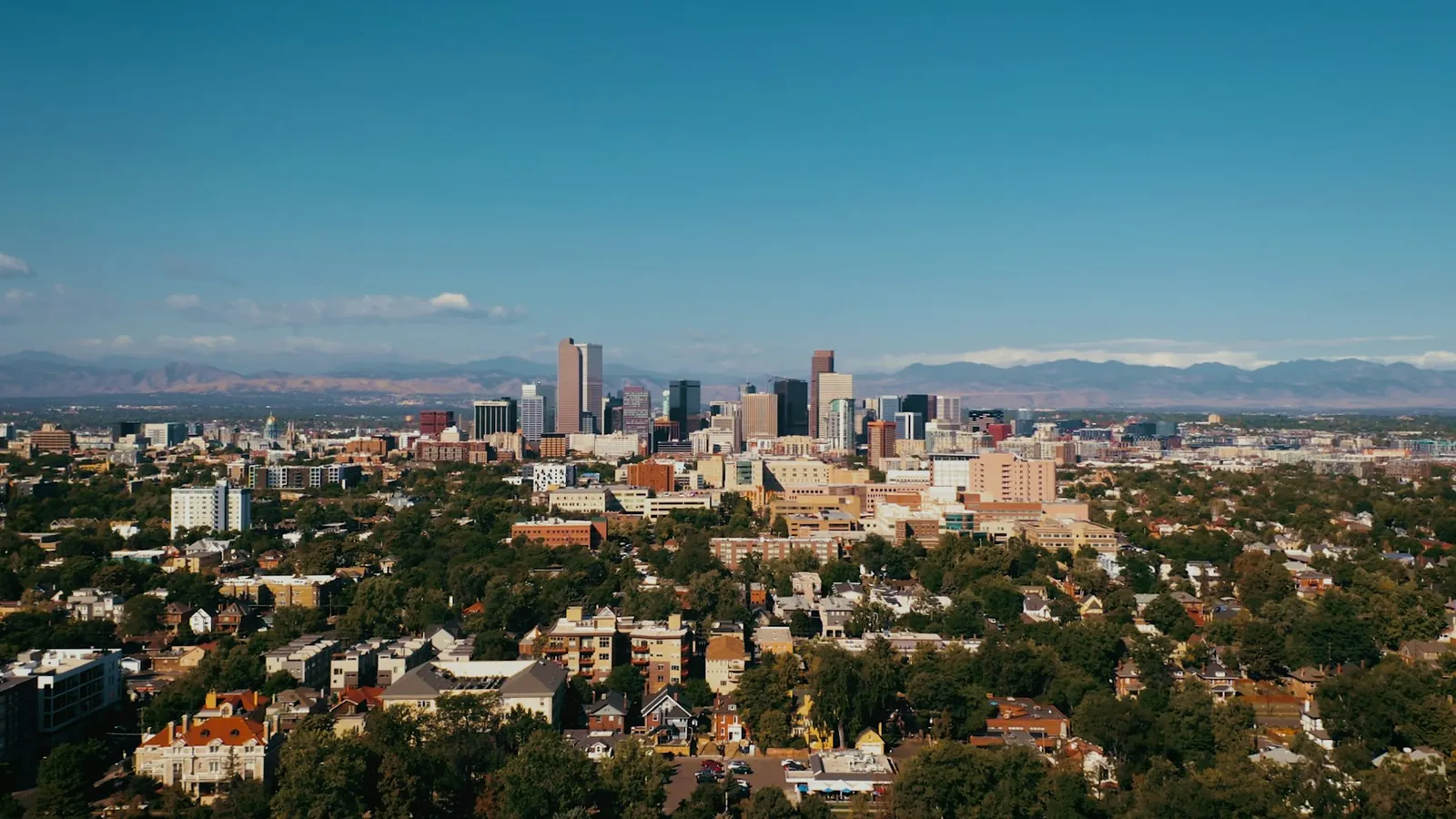 Is today a no-burn day in Denver?Denver no-burn days are called Action Days. How to check the 4 p.m. state forecast, the hotline number, who has to stop burning and what still runs.
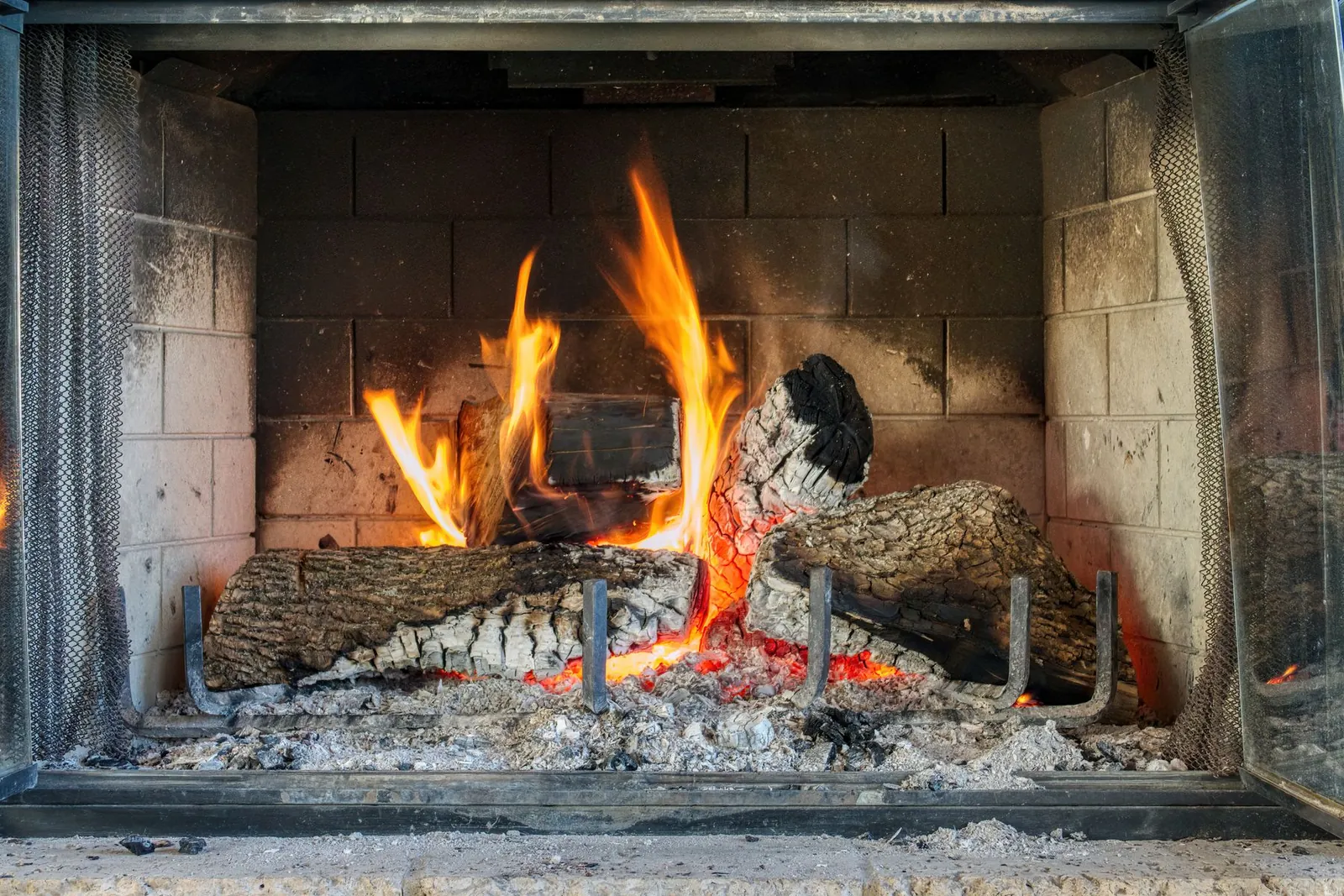 Denver fireplace rules and fines: what the code actually saysBurning on a Denver Action Day carries a $250 minimum fine, up to $2,000 per day. The code sections, what you may burn, and what can be installed.
 Hail hit your roof? Check these 4 chimney partsAfter a Front Range hailstorm, check the chimney cap, chase cover, crown and flashing. What hail damage looks like on each, and how to document it.
Book online
Pick a day. We'll bring a ladder.
Free inspection in a 3-hour window: 8 to 11, 11 to 2, or 2 to 5. We call to confirm before we arrive.